
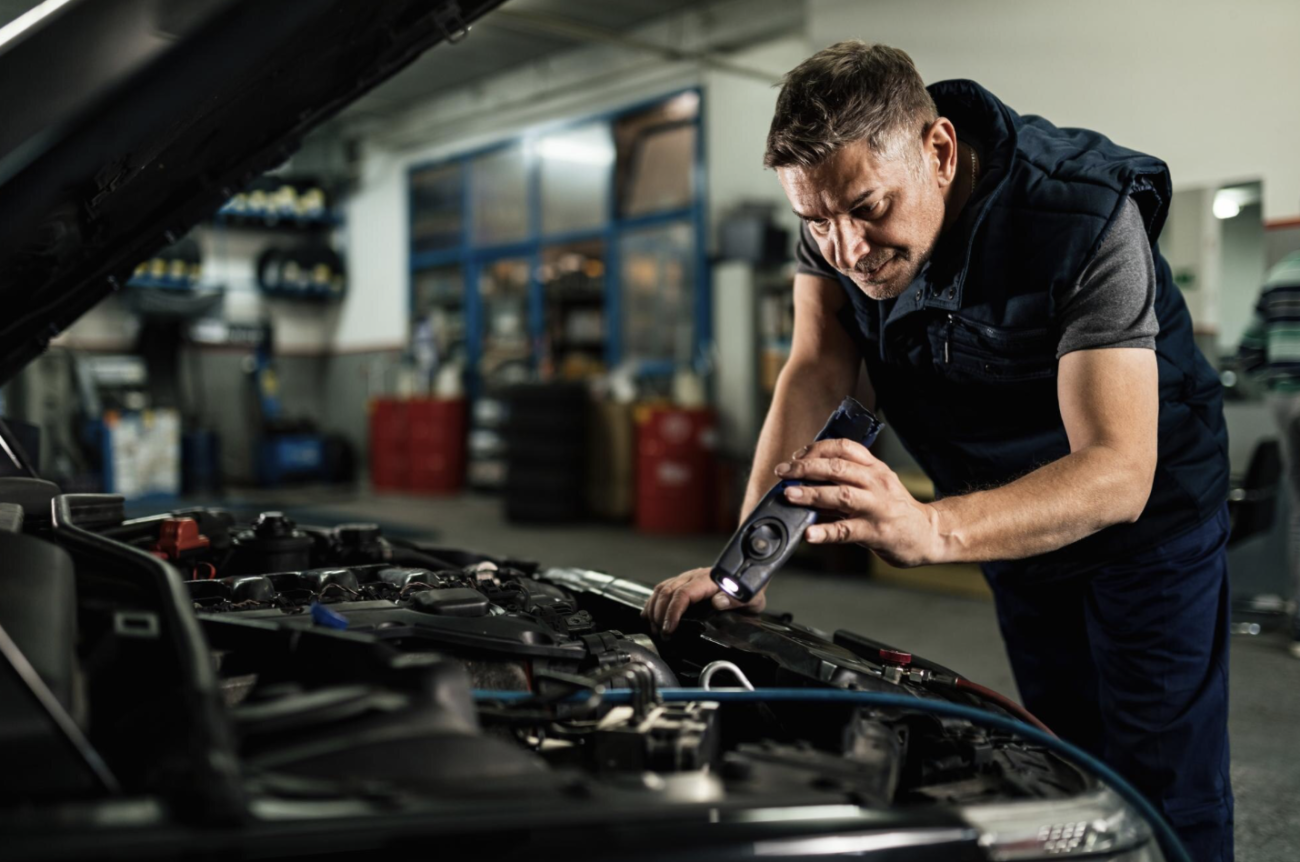

Auto repair shops face a combination of risks that make their insurance needs more complex than most small businesses. You are working with expensive customer vehicles, handling hazardous materials, operating heavy equipment, and employing technicians who work in physically demanding conditions. A standard general liability policy is not designed for these risks. You need specialized coverage built specifically for the automotive service industry.
This guide explains what auto repair shop insurance costs in 2026 and what coverage your shop actually needs.
How Much Does Auto Repair Shop Insurance Cost?
The average auto repair shop pays between $200 and $600 per month for a comprehensive insurance package. A small independent shop with one or two bays and minimal employees pays toward the lower end. A larger operation with multiple bays, several technicians, and significant customer vehicle inventory pays more.
| Coverage Type | Monthly Cost for Auto Repair Shops |
|---|---|
| Garage Liability | $100 to $250 |
| Garagekeepers Insurance | $80 to $200 |
| Commercial Property | $60 to $150 |
| Workers Compensation | $100 to $300 |
| Commercial Auto | $100 to $250 |
| Pollution Liability | $50 to $100 |
What Is Garage Liability Insurance?
Garage liability is the specialized form of general liability designed specifically for automotive businesses. It covers:
Operations liability: Bodily injury or property damage that occurs as a result of your shop’s operations. A customer is injured when they visit your shop, or your operations cause property damage to a neighboring business.
Products liability: Damage or injury caused by parts or products you supply or install. A brake job fails and causes an accident. The replacement part you installed is defective and causes harm.
Customer vehicle damage: Standard general liability policies do not cover damage to customer vehicles in your care. Garage liability typically includes some coverage for customer vehicles, though this is often limited and supplemented by garagekeepers insurance.
Standard general liability insurance is not adequate for auto repair shops. If your general liability policy does not include garage liability language specifically, you may have significant coverage gaps.
Average cost for garage liability: $100 to $250 per month.
Garagekeepers Insurance
Garagekeepers insurance is one of the most important and most misunderstood coverages for auto repair shops. It specifically covers customer vehicles that are in your care, custody, or control.
When a customer drops off their car for an oil change, a transmission rebuild, or any other service, that vehicle is in your possession. If it is stolen from your lot, damaged in a fire, vandalized overnight, or hit by another vehicle while in your care, standard insurance policies often do not cover the damage to that customer’s car.
Garagekeepers insurance fills this specific gap. Without it, you could be personally responsible for replacing a customer’s car.
Two types of garagekeepers coverage:
Legal liability: Only pays if you are legally liable for the damage. If a storm damages a customer’s car while it is in your lot, you may not be legally liable, and this coverage would not respond.
Direct primary: Pays for customer vehicle damage regardless of whether you are legally liable. More comprehensive and more appropriate for most shops.
Average cost: $80 to $200 per month depending on the total value of vehicles you typically hold.
Commercial Property Insurance for Auto Repair Shops
Your shop’s property includes the building (if you own it), diagnostic equipment, lifts, tools, parts inventory, and office equipment. Commercial property insurance covers these assets against fire, theft, vandalism, and other covered perils.
Auto repair shops have unique property considerations. Diagnostic equipment and vehicle lifts are expensive to replace. Parts inventory can represent tens of thousands of dollars in value. Make sure your property coverage limits are high enough to actually replace what you have.
Average cost: $60 to $150 per month.
Pollution Liability for Auto Repair Shops
Auto repair shops handle hazardous materials every day. Motor oil, transmission fluid, antifreeze, brake fluid, and used oil filters all qualify as potential pollutants under many insurance policies. If these materials contaminate the soil or groundwater, or cause any environmental damage, standard commercial policies typically exclude the claim.
Pollution liability specifically covers environmental contamination claims. Given the regulatory environment around environmental cleanup and the potential costs involved, this coverage is important for any shop that handles automotive fluids.
Average cost: $50 to $100 per month.
Workers Compensation for Auto Repair Shops
Automotive technicians face real physical risks. They work under vehicles on lifts, handle heavy parts, use power tools, and are exposed to hazardous chemicals regularly. Burns, crush injuries, repetitive strain, and chemical exposure are all occupational hazards.
Workers compensation is legally required for any employees in most states and covers medical treatment, lost wages, and rehabilitation costs for on-the-job injuries.
Average cost: $100 to $300 per month depending on payroll and state.
How Auto Repair Shop Location and Size Affect Insurance Costs
Single-bay independent shop: $200 to $400 per month total for core coverages.
Multi-bay shop with several technicians: $400 to $700 per month. Workers compensation costs rise with each additional employee.
Specialty or high-end repair shop: Shops working on luxury or exotic vehicles carry more garagekeepers exposure because the value of customer vehicles in their care is higher.
Dealership service department: More complex coverage needs with higher costs. Dealer-specific insurance programs are common in this segment.
Tips to Reduce Auto Repair Shop Insurance Costs
Install security systems. Cameras, alarms, and secure fencing reduce theft and vandalism risk. Many insurers offer discounts for documented security measures.
Maintain organized documentation. When customer vehicles enter your shop, document their condition with photographs and a written check-in sheet. This protects you against fraudulent damage claims and demonstrates professional practices that insurers value.
Train technicians in chemical handling. Documented training in proper hazardous material storage and disposal reduces pollution risk and supports better premiums on environmental coverage.
Compare quotes annually. Auto repair shop insurance is a specialty market. Rates vary significantly between carriers, and shopping the market at renewal consistently finds savings.
Frequently Asked Questions
Does general liability insurance cover customer vehicles in my shop?
Standard general liability does not cover customer vehicles. Garage liability includes limited coverage, and garagekeepers insurance specifically covers vehicles in your care. Both are needed for a complete program.
What if a customer’s car is damaged while I am test driving it?
Garagekeepers insurance typically covers customer vehicles while they are in your custody for test drives as well as while parked on your lot. Confirm the specific language in your policy.
Do I need commercial auto coverage for my shop’s vehicles?
Yes. Any vehicle your shop owns or uses for business purposes needs commercial auto coverage. This includes shuttle vehicles, parts pickup trucks, and any vehicle used to transport customer cars.
Conclusion
Auto repair shop insurance is more complex than standard small business coverage because of the specialized risks involved. Garage liability and garagekeepers insurance are essential and different from standard general liability. Adding pollution liability, workers compensation, and commercial property creates a comprehensive program for most shops.
The average repair shop pays $200 to $600 per month for complete coverage. Given the value of customer vehicles in your care at any moment, this investment is not optional.
Disclaimer: Insurance requirements and costs vary by state and individual business characteristics. This article is for informational purposes only and does not constitute legal or insurance advice.
