
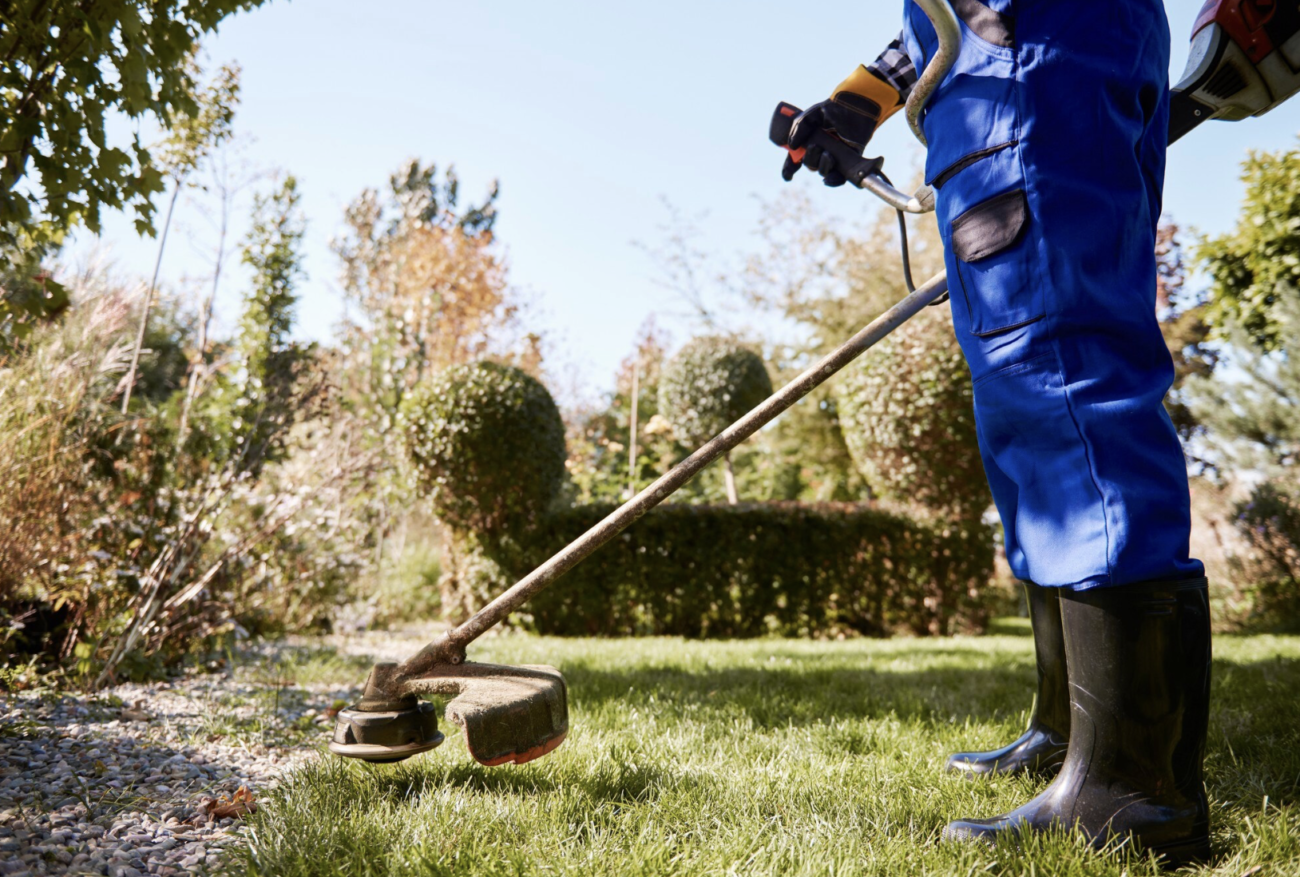

Landscaping and lawn care businesses work on other people’s property nearly every day, operating power equipment, driving between job sites, and managing a physically demanding job for staff. That combination — property exposure, equipment risk, and driving risk — makes insurance planning more layered than it might first appear for what looks like a simple service business.
Risk Factors Specific to Landscaping
- Property damage: a mower, trimmer, or errant rock can damage a client’s fence, siding, sprinkler system, or vehicle
- Equipment theft and damage: mowers, trimmers, and trucks left on job sites or in trailers are common theft targets
- Employee injuries: physically demanding work with sharp blades and heavy equipment carries real injury risk
- Driving exposure: constant travel between job sites, often towing trailers loaded with equipment
Essential Coverage
General liability insurance Covers property damage and bodily injury claims that happen while you’re working on a client’s property — a broken window, an injured pedestrian, or landscaping work that damages an underground utility line.
Commercial auto insurance Covers trucks and vehicles used for business, including damage to the vehicle itself and liability if you’re at fault in an accident. This is essential for any landscaping business, since crews are on the road constantly.
Inland marine / equipment coverage Covers mowers, trimmers, blowers, and other tools against theft or damage — including when they’re being transported or left at a job site, which standard property insurance typically doesn’t cover.
Workers’ compensation Required in most states once you have employees, and particularly relevant here given the physical nature and injury frequency of landscaping work.
Average Cost Breakdown
Pricing depends on crew size, the type of work performed (mowing versus tree removal, for example, which carries higher risk), and the value of your equipment fleet:
- Solo operator or small crew, mowing and basic maintenance: lower end of the cost range
- Mid-size crew with commercial equipment and multiple vehicles: moderate range
- Larger operation with tree removal, hardscaping, or heavy equipment: higher end, given the increased injury and property damage risk
Commercial Auto for Trucks and Trailers
Landscaping businesses often underestimate this coverage. A personal auto policy typically won’t cover a truck used for business purposes, and standard commercial auto may not automatically include trailers or the equipment loaded onto them. Make sure your policy specifically addresses:
- The truck itself
- Any trailer used to haul equipment
- The equipment loaded on the trailer, which may need to be added as a separate line item or rider
Seasonal Considerations
Landscaping is a seasonal business in much of the country, and this affects your insurance in a few ways:
- Payroll-based coverage like workers’ comp fluctuates with seasonal staffing
- Equipment sitting idle in the off-season still needs theft and damage protection
- Some carriers offer seasonal or pay-as-you-go policies that adjust with your actual payroll and activity level, which can reduce costs during slower months
How to Reduce Your Premium
- Secure equipment properly at job sites and when transporting it — theft claims directly affect future pricing
- Maintain clean driving records for all employees operating company vehicles
- Bundle general liability and equipment coverage where a provider offers a package discount
- Document safety training for equipment use, which some carriers factor into pricing
Bottom Line
For landscaping businesses, general liability alone leaves real gaps — particularly around equipment and commercial auto exposure. Reviewing your policy specifically for trailer and tool coverage is one of the most common places business owners in this industry discover they’ve been underinsured.
