
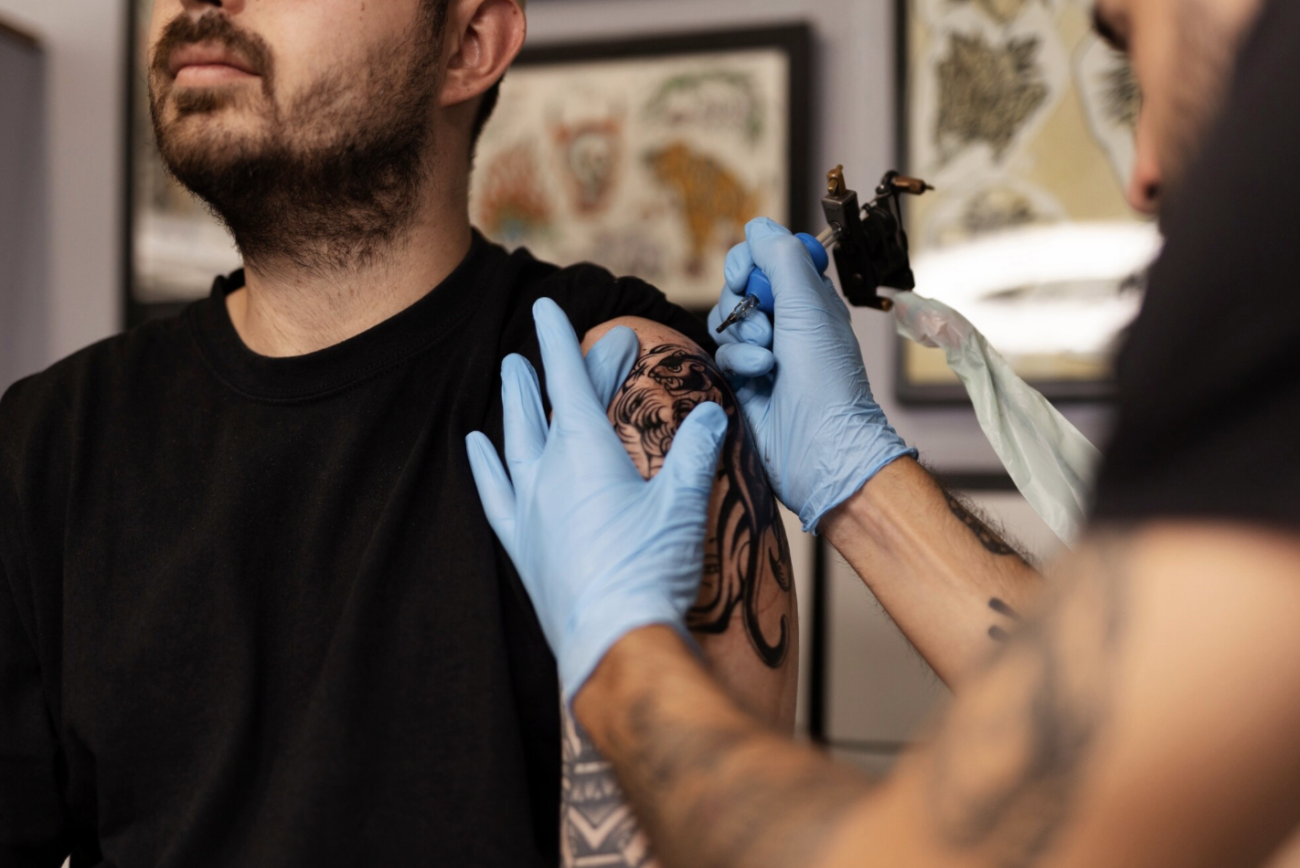

Tattooing is a profession that blends artistic skill with real physical risk. Every session involves needles, blood-borne pathogens, and the very real possibility that a client might have an allergic reaction, develop an infection, or simply be unhappy with the results. Running a tattoo shop without proper insurance is not just risky, it can be financially catastrophic.
This guide breaks down exactly what tattoo artists and studio owners need for insurance coverage in 2026 and what they can expect to pay.
How Much Does Tattoo Shop Insurance Cost?
The average tattoo shop pays between $100 and $300 per month for a comprehensive insurance package. A solo artist renting a booth pays toward the lower end. A studio owner with multiple artists, employees, and a retail component may pay significantly more.
| Coverage Type | Monthly Cost for Tattoo Shops |
|---|---|
| General Liability | $60 to $150 |
| Professional Liability | $50 to $120 |
| Commercial Property | $40 to $100 |
| Workers Compensation | $80 to $200 |
| Products Liability | Included in most GL policies |
| Business Income Coverage | $30 to $70 |
What Insurance Does a Tattoo Shop Need?
General Liability Insurance
General liability is the foundation of any tattoo shop’s insurance program. It covers:
Bodily injury on your premises. A client trips over equipment in your studio and breaks their wrist. General liability pays for their medical bills and covers your legal defense.
Property damage you cause. You accidentally knock over a client’s expensive phone while setting up. General liability covers the replacement.
Products liability. The ink, aftercare products, or other supplies you use or sell cause an unexpected reaction. This is covered under the products liability portion of your general liability policy.
Most landlords require proof of general liability insurance before signing a studio lease. Many tattoo conventions also require participating artists to show proof of coverage.
Average cost for tattoo shops: $60 to $150 per month for $1 million in coverage.
Professional Liability Insurance
This is where tattoo insurance gets more specific than most trades. Professional liability covers claims that arise from the actual service you provide, including:
Allergic reactions to ink or materials that cause medical complications. Infections that develop after a procedure despite proper aftercare instructions. Claims that the tattoo design was not executed as agreed. Permanent scarring or skin complications from a procedure.
General liability does not cover these scenarios because they arise from the professional service itself rather than a physical accident on your premises. If you do tattoo work professionally, you need both general and professional liability.
Average cost: $50 to $120 per month.
Commercial Property Insurance
Your tattoo equipment represents a serious investment. Tattoo machines, power supplies, lighting, furniture, and retail inventory all need protection against fire, theft, and other covered perils.
If you rent booth space in a larger studio, the studio owner’s policy likely does not cover your personal equipment. You need your own property coverage.
Average cost: $40 to $100 per month.
Workers Compensation
If you have any employees or apprentices on payroll, workers compensation is legally required in most states. Even a part-time receptionist or studio manager counts.
Average cost: $80 to $200 per month depending on payroll and state.
Tattoo Artist vs Studio Owner: What Coverage Do You Need?
Booth renter or independent tattoo artist
If you rent a booth at someone else’s studio, you are responsible for your own insurance. The studio owner’s policy covers the building and their own liability, not yours.
At minimum you need general liability, professional liability, and coverage for your personal equipment. Total monthly cost typically runs $100 to $200.
Tattoo studio owner
You need general liability for the studio as a whole, professional liability for the tattooing services performed by you and any employed artists, commercial property for the building and contents, and workers compensation if you have employees.
Total monthly cost for a small to mid-size studio typically runs $200 to $400.
Blood-Borne Pathogen Liability
Tattooing involves direct contact with blood, which creates risks associated with blood-borne pathogens including hepatitis B, hepatitis C, and HIV. Proper sterilization and needle disposal procedures dramatically reduce these risks, but claims can still arise.
Some professional liability policies include blood-borne pathogen coverage. Others require it to be added as an endorsement. Ask specifically about this coverage when shopping for tattoo shop insurance.
State Licensing and Insurance Requirements for Tattoo Artists
Tattoo licensing requirements vary significantly by state.
California: Tattoo artists must be licensed and work in a licensed facility. General liability and professional liability are strongly recommended and often required by studio lease agreements.
Texas: Tattoo studios must be licensed by the Texas Department of State Health Services. Health and safety requirements are strict. Insurance requirements vary by local jurisdiction.
Florida: The Department of Health regulates tattoo studios. Artists must be licensed individually. Commercial insurance is expected but requirements vary.
New York: Tattooing is regulated at the state and local level. New York City has specific regulations for tattoo establishments. Proof of general liability is typically required for studio permits.
Georgia: Tattoo studios must be licensed through county health departments. Artists need individual artist licenses. Insurance requirements vary by county.
Always verify current requirements with your state health department and local licensing authority.
How to Reduce Tattoo Shop Insurance Costs
Document your sterilization and safety procedures in writing. Insurers view tattooing as a higher-risk profession, and documented infection control protocols can help demonstrate professionalism and reduce your premiums.
Use high-quality, approved materials. Using reputable, licensed tattoo supplies and properly disposing of needles reduces your risk profile. Some insurers ask about your materials and suppliers during the application process.
Provide written aftercare instructions to every client. Documented aftercare instructions protect you if a client later claims an infection developed because they were not told how to care for their new tattoo.
Get quotes from specialty insurers. Tattoo shop insurance is a specialty niche. Insurers who understand the industry can often offer better rates than general commercial insurers who apply generic risk classifications.
Frequently Asked Questions
Does a general liability policy cover a client’s allergic reaction to ink?
Not automatically. General liability covers physical accidents on your premises. Reactions to the ink or procedure itself are professional liability claims. You need both types of coverage to be fully protected.
Does the studio owner’s insurance cover booth renters?
Usually not. If you rent booth space, assume you are responsible for your own insurance unless you have written confirmation from the studio owner that their policy covers your activities.
What if a client is unhappy with their tattoo design?
A client who claims the tattoo was not executed as promised may file a professional liability claim. This is exactly the type of dispute professional liability insurance is designed to handle.
Can I get coverage if I work at tattoo conventions?
Yes. Most general liability policies cover you at off-site locations including conventions and events. If a convention requires you to name them as an additional insured, that is typically a free endorsement you can add to your policy.
Conclusion
Tattoo shop insurance is a specialized need that requires both general and professional liability coverage to be properly protected. The combination typically costs $100 to $300 per month depending on your setup, location, and whether you have employees.
Given the nature of the work and the potential for medical complications, operating without proper coverage is a risk that no professional tattoo artist should take.
Disclaimer: Licensing and insurance requirements vary by state and local jurisdiction. This article is for informational purposes only and does not constitute legal or insurance advice. Always consult a licensed insurance professional and verify requirements with your local licensing authority.
