
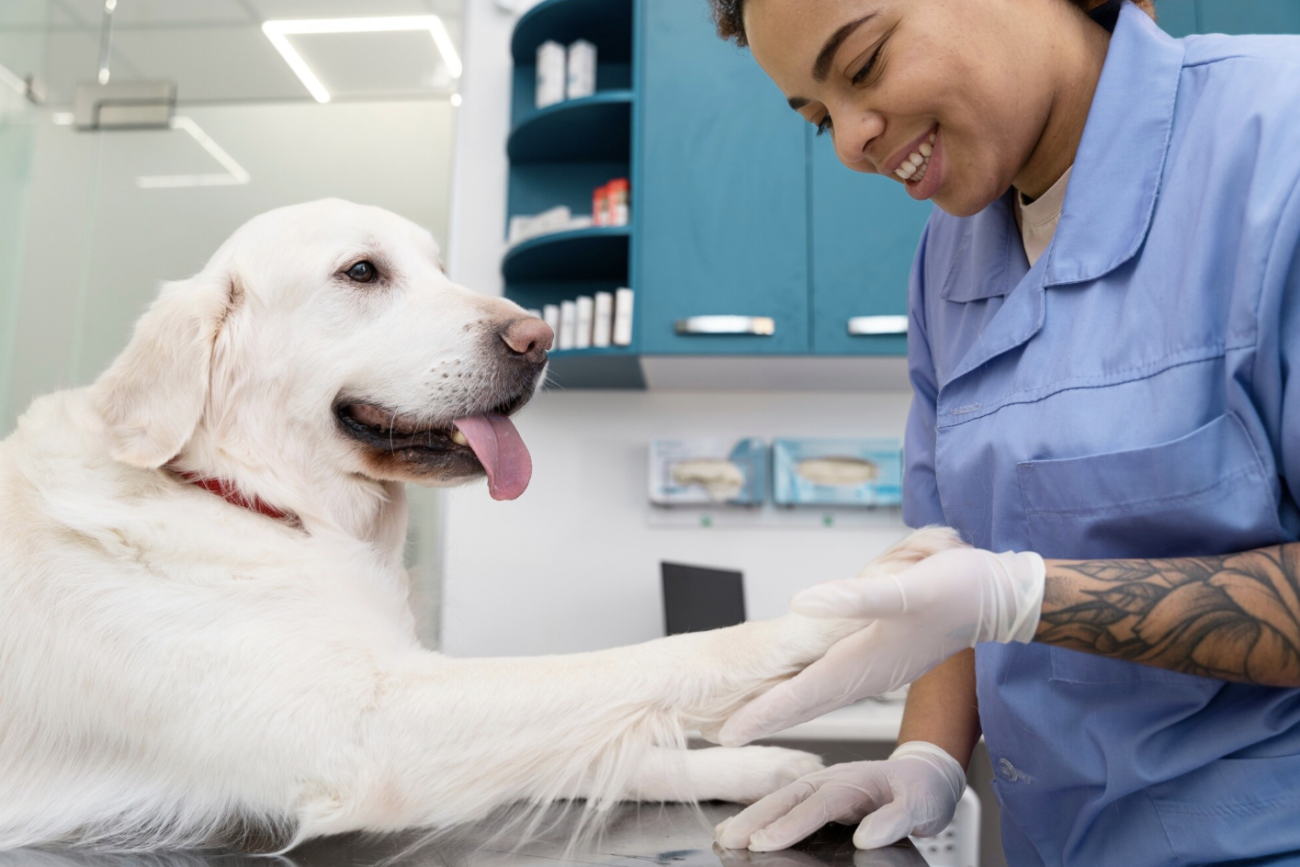

Veterinary practices combine two distinct forms of professional risk: the medical liability of a healthcare provider, and the physical unpredictability of working directly with animals that can react unpredictably to pain, fear, or unfamiliar handling. That combination creates a coverage picture that looks closer to a medical practice than a typical pet care business.
Why Veterinary Practices Face Layered Risk
- Veterinary malpractice claims, where a client alleges a diagnosis, treatment, or surgical error harmed their animal
- Bite and scratch injuries to staff, a routine hazard when handling frightened or injured animals
- Bailee’s/care, custody, and control risk, since animals are frequently boarded or held for observation, treatment, or surgery
- Controlled substance handling, since most veterinary practices store and administer regulated medications on-site
- Equipment-heavy operations, including diagnostic imaging, surgical suites, and specialized medical equipment representing significant asset value
Essential Coverage for Veterinary Clinics
Veterinary professional liability (malpractice) insurance The core coverage for this profession, covering claims that a diagnosis, treatment, or procedure caused harm to an animal in your care — the veterinary equivalent of medical malpractice insurance.
General liability insurance Covers client and visitor injuries at your facility, along with property damage claims unrelated to the medical treatment itself.
Care, custody, and control coverage (bailee’s coverage) Specifically covers animals boarded, held, or hospitalized at your facility — necessary because standard general liability typically treats an animal in your care differently from ordinary third-party property.
Workers’ compensation Required in most states once you have employees, and particularly relevant given the injury frequency from animal handling, needle sticks, and physically demanding restraint procedures.
Property and equipment coverage Covers diagnostic and surgical equipment, which represents a significant capital investment for most practices, against fire, theft, and equipment breakdown.
Employment practices liability (EPLI) Worth considering as staff size grows, given the same employment-related risk any growing business faces, regardless of industry.
Controlled Substances and Regulatory Considerations
Veterinary practices that store and dispense controlled substances face additional regulatory scrutiny and, in some cases, specific insurance considerations around theft or loss of these medications. Keeping accurate logs and secure storage isn’t just a DEA compliance matter — it also affects how a related claim would be handled by your insurer.
Average Cost
Pricing depends on practice size, services offered (general wellness versus surgical specialty), and whether boarding is part of the operation:
- Small general practice, no surgery or boarding: lower end of the cost range
- Full-service clinic with surgery, imaging, and boarding: moderate to higher range, reflecting broader liability exposure
- Specialty or emergency veterinary practices: higher end, given more complex procedures and higher-severity claim potential
How to Reduce Your Risk (and Your Premium)
- Maintain thorough, timestamped medical records for every patient and procedure — documentation is the primary defense in a malpractice claim
- Use written informed consent forms before surgical or higher-risk procedures
- Train staff on proper animal restraint and handling techniques to reduce bite and scratch injuries
- Secure controlled substances according to regulatory guidelines, with regular audit logs
- Bundle general liability, malpractice, and property coverage where a carrier offers a combined veterinary package
Bottom Line
A veterinary practice carrying only general liability insurance has a meaningful gap around the actual medical work performed every day. Professional liability (malpractice) coverage, paired with care, custody, and control coverage for boarded animals, is what closes the two gaps most specific to this profession.
