
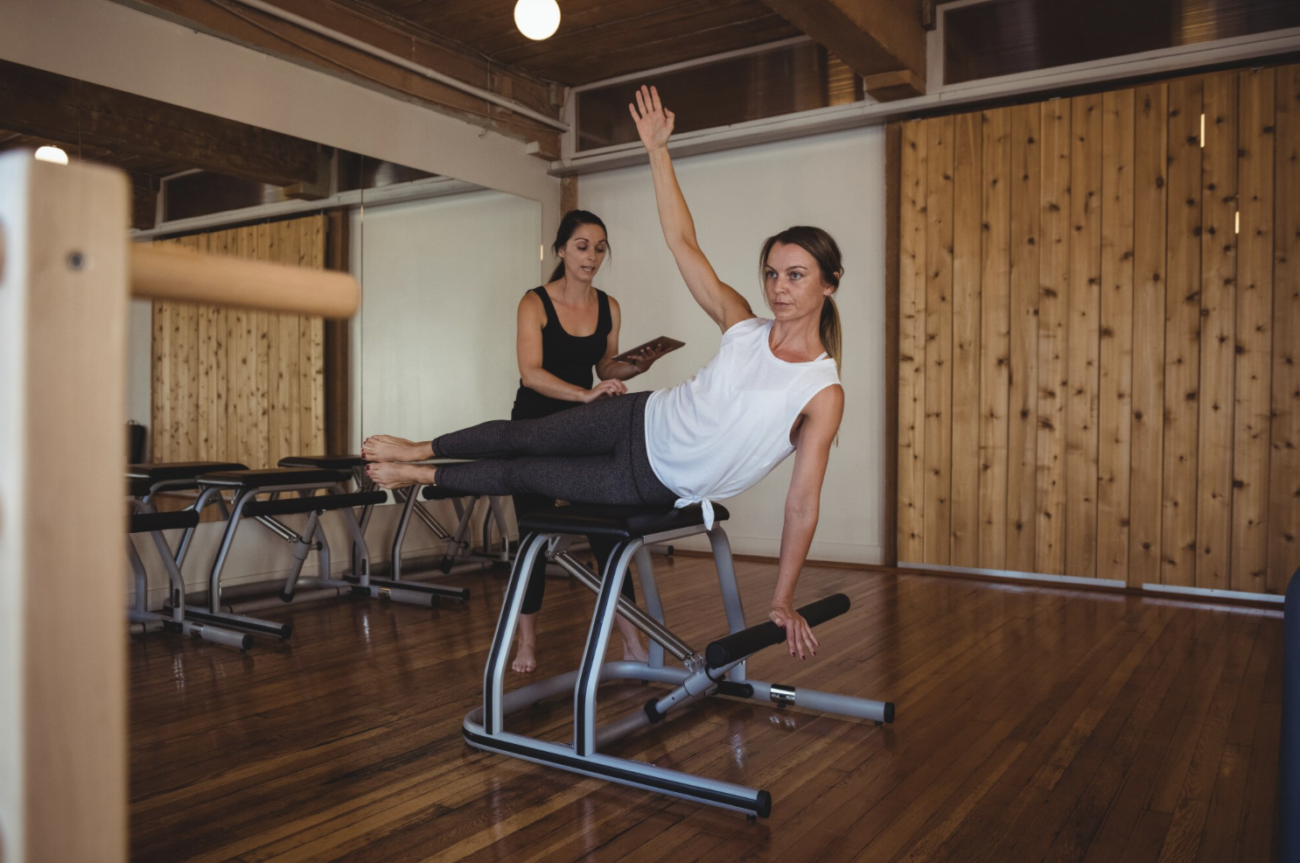

Few small businesses put clients through more physical activity, in more direct contact with equipment, than a gym or fitness studio. From free weights and machines to group classes and personal training sessions, the injury exposure is constant — which makes insurance planning here less about “if” a claim happens and more about being genuinely prepared when one does.
Why Fitness Businesses Face Elevated Risk
- Equipment-related injuries: strains, drops, and malfunctioning machines are a routine source of claims
- Class and personal training injuries: instructors directing physical activity carry professional liability exposure beyond simple premises risk
- High client turnover and foot traffic: more people moving through the space daily increases the statistical likelihood of an incident
- Liability waivers that aren’t airtight: many owners assume a signed waiver eliminates liability entirely, which isn’t accurate in most states — waivers reduce risk but don’t replace insurance
Essential Coverage for Gyms and Fitness Studios
General liability insurance Covers customer injuries from slips, falls, and general premises risk, along with property damage claims.
Professional liability insurance Important for studios offering personal training, group classes, or specialized instruction (yoga, CrossFit-style training, physical therapy-adjacent services). This covers claims that an instructor’s guidance or programming directly caused an injury — a gap general liability typically doesn’t fill.
Property insurance Covers gym equipment, mirrors, flooring, and studio fixtures against fire, theft, and certain damage — often a significant asset value for equipment-heavy facilities.
Workers’ compensation Required in most states once you have employees, relevant given the physically demanding nature of instructing and demonstrating exercises for staff.
Participant accident coverage (optional add-on) Some fitness businesses add this to help cover minor member injuries directly, regardless of fault, which can reduce the likelihood of a claim escalating into a liability lawsuit.
Why Waivers Aren’t Enough on Their Own
Liability waivers are a standard and useful part of gym operations, but they generally don’t protect against claims of gross negligence — for example, a poorly maintained piece of equipment that malfunctions, or an instructor providing dangerously inappropriate guidance for a client’s condition. Insurance remains necessary specifically for the scenarios where a waiver’s protection breaks down.
Average Cost
Pricing depends on facility size, class offerings, and whether personal training or specialized instruction is part of the business:
- Small studio offering group classes only, no personal training: lower end of the cost range
- Full-service gym with equipment, classes, and personal training: moderate to higher range
- Facilities offering higher-risk specialty training (contact sports, high-intensity functional fitness, aerial or acrobatic classes): higher end, reflecting increased injury frequency and severity
Factors That Increase Your Premium
- Offering personal training or one-on-one coaching, which adds professional liability exposure
- High-risk class formats involving heavy weights, high-intensity intervals, or specialized equipment
- Prior claims history, particularly repeated equipment-related injuries
- Operating without documented equipment maintenance schedules
How to Reduce Your Costs
- Maintain and document regular equipment inspection and maintenance schedules
- Require updated liability waivers for all members and class participants, renewed periodically
- Ensure instructors and trainers hold current certifications appropriate to what they teach
- Post clear equipment usage instructions and safety signage throughout the facility
- Bundle general liability and property coverage into a Business Owner’s Policy where eligible
Bottom Line
A signed waiver protects a gym from some claims, but not all of them — and the gap is exactly where insurance needs to step in. Pairing professional liability with general liability, rather than relying on general liability alone, is the detail that most commonly separates adequately covered fitness businesses from underinsured ones.
